
One chilly Minnesota morning, I stood over a simmering stockpot while the windows fogged with steam and the scent of homemade broth drifted through the kitchen. My grandmother used to say that some ingredients quietly do their work in the background, never asking for attention but changing the texture and comfort of a meal in ways we often overlook. Horse gelatin is one of those lesser known ingredients. While many people are familiar with bovine or pork gelatin, horse derived gelatin remains a topic of curiosity, especially for those interested in collagen rich foods, digestive wellness, and food ingredients used around the world. Understanding where it comes from, how it is used, and what potential benefits it may offer can help consumers make informed choices about the foods, supplements, and products they bring into their homes. Sometimes the smallest ingredient carries the most interesting story.
What We’ll Discover Together
What Is Horse Gelatin and How Is It Made?
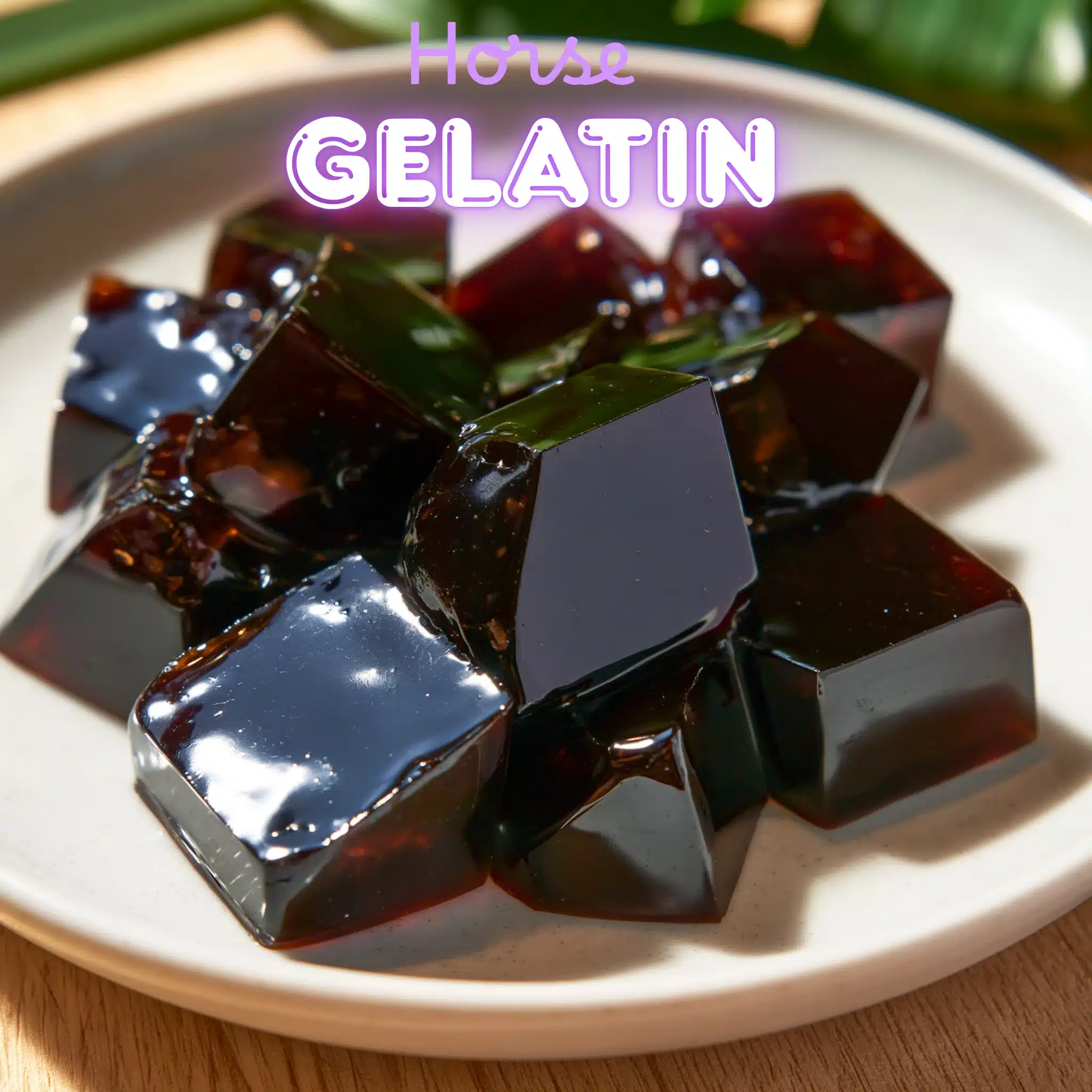
Horse gelatin is a protein rich ingredient created by extracting collagen from horse skin, bones, and connective tissues through a carefully controlled cooking and purification process
Quick Answer Box
- Horse gelatin comes from naturally occurring collagen.
- It is used in foods, supplements, pharmaceuticals, and some beauty products.
- It contains amino acids that support connective tissue structure.
- It acts as a gelling, thickening, and stabilizing ingredient.
- It performs similarly to bovine and pork gelatin in most recipes.
Horse gelatin is a purified form of collagen protein that dissolves in warm liquid and forms a soft gel as it cools. Manufacturers use it to improve texture, stability, and consistency in a wide variety of products.
How Horse Gelatin Is Made
- Collagen rich tissues are collected and cleaned.
- The raw materials undergo a treatment process to release collagen.
- The collagen is heated and extracted into a liquid form.
- The liquid is filtered and purified.
- It is dried into sheets, granules, or powder.
- The finished gelatin is packaged for food, supplement, or industrial use.
There is something fascinating about watching a pot of homemade broth cool on the counter. As a child, I remember peeking into my grandmother’s refrigerator and seeing yesterday’s stock transformed into a delicate jelly. At the time, it seemed like kitchen magic.
Years later, I learned that this transformation happens because collagen changes into gelatin during cooking. Whether the source is horse, bovine, or another animal, the basic science remains much the same.
“The quiet ingredients are often the ones doing the most work.”
That was one of my grandmother’s favorite sayings, and it fits gelatin perfectly.
Collagen vs Gelatin
Many people use these terms interchangeably, but they are not exactly the same.
Collagen is a structural protein naturally found in skin, bones, tendons, and connective tissues.
Gelatin is collagen that has been cooked and partially broken down. This process allows it to dissolve in liquids and create the familiar gel texture used in foods and desserts.
For readers interested in healthy aging, this distinction matters because both collagen and gelatin provide amino acids that contribute to the body’s protein intake. According to nutrition guidance, adequate protein becomes increasingly important after age 45 to help support muscle maintenance and overall wellness. If you’re most interested in the health benefits, feel free to skip ahead to the Key Health Benefits of Collagen and Gelatin section. You can always come back later and enjoy the rest of the article at your own pace.
Why Manufacturers Use Horse Gelatin
Horse gelatin offers several practical benefits:
- Creates smooth textures in desserts and confectionery products
- Stabilizes ingredients in capsules and supplements
- Improves consistency in certain processed foods
- Helps products maintain their desired shape
- Contributes moisture retention in some formulations
From a culinary perspective, gelatin is valued less for its flavor and more for its remarkable ability to transform texture. It can turn a simple liquid into something silky, delicate, and comforting.
For consumers, understanding the source of gelatin is increasingly important. Many people today want transparency about ingredients, whether for dietary preferences, cultural considerations, or personal wellness goals. Knowing what horse gelatin is and how it is made provides a useful foundation for evaluating its potential benefits and uses.
What Are the Potential Benefits of Horse Gelatin?
Horse gelatin provides collagen derived protein and amino acids that may support overall nutrition, connective tissue health, and digestive wellness as part of a balanced diet.
Quick Answer Box
- Supplies collagen based protein
- Contains glycine, proline, and other amino acids
- May support joint comfort and mobility
- Can contribute to healthy skin structure
- Supports overall protein intake
- Often included in wellness and collagen focused products
Key Benefits at a Glance
| Potential Benefit | Why It Matters |
|---|---|
| Protein support | Helps meet daily protein needs |
| Joint wellness | Collagen is a component of connective tissues |
| Skin support | Collagen contributes to skin structure |
| Digestive wellness | Gelatin is often used in gut friendly eating plans |
| Healthy aging | Protein becomes increasingly important with age |
Understanding the Nutritional Value
Horse gelatin is composed primarily of protein. Unlike complete proteins such as eggs or dairy, gelatin contains a unique amino acid profile that is particularly rich in glycine, proline, and hydroxyproline.
These amino acids are found naturally in connective tissues throughout the body and have attracted growing interest among researchers studying collagen nutrition and healthy aging.
For women over 45, maintaining adequate protein intake becomes increasingly important. Muscle mass naturally changes with age, and many nutrition experts encourage including a variety of protein sources throughout the day.
While horse gelatin should not be viewed as a standalone solution, it can contribute to overall dietary protein intake when used alongside other nutritious foods.
Potential Joint and Connective Tissue Support
One reason collagen rich foods have become so popular is their connection to connective tissues.
Collagen is a major structural component of:
- Tendons
- Ligaments
- Cartilage
- Skin
- Bones
Because gelatin is derived from collagen, it is often included in wellness routines focused on maintaining mobility and supporting an active lifestyle.
I often think about how my grandmother never talked about collagen. She simply believed in making nourishing broths, soups, and slow cooked meals. Looking back, many traditional cooking methods naturally incorporated collagen rich ingredients long before they became wellness trends.
“Sometimes old kitchen wisdom arrives decades before the science catches up.”
Digestive Wellness and Comfort
Many people interested in gut friendly eating are drawn to gelatin because it is easy to digest and blends smoothly into liquids and foods.
Although research continues to evolve, gelatin is commonly used in:
- Homemade broths
- Wellness beverages
- Protein rich desserts
- Soft textured foods during recovery periods
For individuals seeking gentle, comforting foods, gelatin based preparations are often valued for their smooth texture and versatility.
Skin and Healthy Aging
Collagen has become one of the most discussed ingredients in modern wellness conversations.
Since gelatin originates from collagen, some consumers choose collagen rich foods and supplements as part of their healthy aging habits. While results vary from person to person, maintaining adequate protein intake remains an important part of supporting overall wellness.
The goal is not perfection. It is nourishment.
A bowl of soup shared on a cold evening, a homemade dessert made with care, or a balanced meal enjoyed without rushing often contributes just as much to wellbeing as any single ingredient ever could.
Important Perspective
Horse gelatin should be viewed as one component of a balanced lifestyle rather than a miracle food.
The strongest foundations for long term wellness still include:
- Regular physical activity
- Adequate protein intake
- Fiber rich foods
- Good sleep habits
- Stress management
- Consistent healthy eating patterns
When placed within that larger picture, horse gelatin can serve as a useful collagen based ingredient that supports texture, nutrition, and culinary versatility.
Horse Gelatin vs Bovine and Pork Gelatin: What Is the Difference?
Direct Answer:
Horse gelatin, bovine gelatin, and pork gelatin are all derived from animal collagen and perform similarly in many applications, but they differ in source, cultural acceptance, availability, and sometimes processing characteristics.
Quick Answer Box
- All three are collagen based proteins.
- Nutritional differences are generally small.
- Source animal is the primary distinction.
- Availability varies by region.
- Dietary and religious considerations often influence consumer choice.
Comparison Table
| Feature | Horse Gelatin | Bovine Gelatin | Pork Gelatin |
|---|---|---|---|
| Source | Horse collagen | Cattle collagen | Pig collagen |
| Global availability | Limited | Very common | Very common |
| Food industry use | Specialized | Extensive | Extensive |
| Cultural acceptance | Varies by region | Varies by belief system | Varies by belief system |
| Supplement use | Less common | Widely used | Common |
| Consumer familiarity | Lower | High | High |
Are the Nutritional Differences Significant?
For most consumers, the nutritional differences between these gelatin sources are relatively small.
All gelatin varieties primarily provide:
- Collagen derived protein
- Glycine
- Proline
- Hydroxyproline
- Minimal fat
- Minimal carbohydrates
The exact amino acid profile may vary slightly depending on the source and manufacturing process, but the overall nutritional role remains similar.
If your goal is increasing protein variety or incorporating collagen rich ingredients into your diet, the source often matters less nutritionally than it does personally, culturally, or ethically.
Why Source Matters to Consumers
Today, many people carefully read ingredient labels because food choices often reflect personal values.
Consumers may choose a specific gelatin source because of:
- Religious dietary practices
- Cultural traditions
- Ethical preferences
- Allergies or sensitivities
- Product availability
- Personal comfort with ingredient sourcing
This growing interest in ingredient transparency has encouraged manufacturers to clearly identify gelatin sources whenever possible.
I still remember standing in a grocery aisle years ago, surprised by how many products contained gelatin. Once you start reading labels, you notice ingredients that had quietly been there all along.
“Understanding what is in your food turns shopping into a form of self care.”
Which Gelatin Works Best in Cooking?
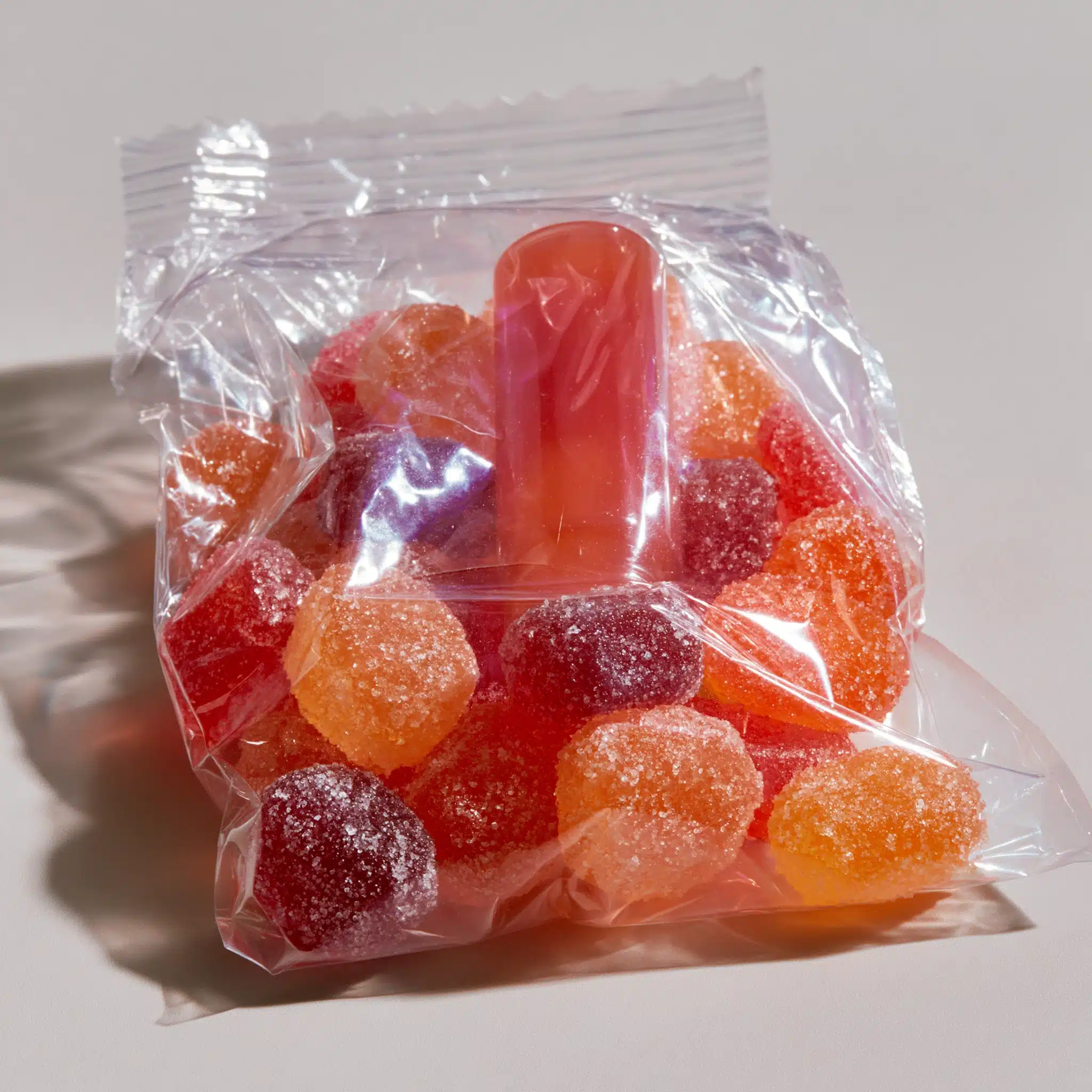
From a culinary perspective, all three gelatin types can be used in similar ways:
- Jellies
- Gummies
- Mousses
- Custards
- Marshmallows
- Aspics
- Homemade broth preparations
The texture may vary slightly depending on bloom strength, which measures a gelatin’s gelling power. In practical home cooking, however, most recipes can be adapted across gelatin sources with only minor adjustments.
Choosing the Right Option
When deciding between horse, bovine, or pork gelatin, consider:
- Your dietary preferences
- Product labeling transparency
- Intended use
- Availability in your area
- Cultural or religious considerations
For many people, the best choice is simply the one that aligns with their personal values and culinary needs.
A Kitchen Reflection
My grandmother rarely spoke about ingredient categories. She focused on knowing where food came from and treating it with respect.
That lesson feels surprisingly relevant today. Modern consumers have more choices than ever before, but the principle remains the same. Understanding the source of an ingredient helps us make decisions that feel informed and intentional.
Whether horse gelatin appears in a supplement, a food product, or a homemade recipe, knowing how it compares with other gelatin sources gives you a clearer picture of what is on your plate and why it is there.
Is Horse Gelatin Healthy? Safety, Nutrition, and What Consumers Should Know
Horse gelatin can be a safe source of collagen derived protein when produced under appropriate food safety standards. Its overall health value depends on product quality, dietary balance, and individual nutritional needs.
Quick Answer Box
- Primarily composed of protein
- Contains collagen related amino acids
- Generally considered safe when properly processed
- Not a complete protein source
- Best used as part of a balanced diet
- Quality and sourcing matter
What Nutrition Does Horse Gelatin Provide?
Like other forms of gelatin, horse gelatin is valued mainly for its protein content.
Key nutrients include:
- Glycine
- Proline
- Hydroxyproline
- Collagen derived peptides
These amino acids are naturally associated with connective tissues throughout the body.
However, it is important to understand that gelatin is not a complete protein because it does not provide all essential amino acids in optimal amounts. This means it works best alongside other protein rich foods such as fish, eggs, dairy products, legumes, poultry, or lean meats.
Why Protein Matters More After 45
According to nutrition guidance, maintaining adequate protein intake becomes increasingly important with age.
For women over 45 especially, protein supports:
- Muscle maintenance
- Everyday strength
- Healthy aging
- Recovery after activity
- Overall nutritional balance
No single ingredient can replace a varied eating pattern, but collagen rich foods and proteins can play a useful supporting role.
I often think about how different nutrition conversations sound today compared with my grandmother’s era. She never counted grams of protein. Yet nearly every meal included nourishing ingredients that naturally provided it.
“Good nutrition often begins with simple habits repeated for years.”
Is Horse Gelatin Safe to Eat?
When manufactured according to food safety regulations, horse gelatin is generally considered safe for consumption.
Food safety experts recommend paying attention to:
- Product quality
- Country of origin
- Manufacturing standards
- Proper storage
- Accurate labeling
Consumers purchasing supplements or specialty ingredients should look for reputable manufacturers that provide clear sourcing information.
Who May Need Extra Caution?
Some individuals may wish to consult a healthcare professional before making significant dietary changes, including:
- People with specific allergies
- Individuals following medically prescribed diets
- Those managing chronic health conditions
- Anyone with concerns about ingredient sourcing
Does Horse Gelatin Support Digestive Wellness?
Gelatin is frequently included in gut friendly recipes because of its smooth texture and ease of use.
Common examples include:
- Homemade broths
- Protein rich desserts
- Soft recovery foods
- Wellness beverages
While research continues to explore the relationship between gelatin and digestive health, many people appreciate it as part of a gentle and nourishing eating pattern.
Comparing Protein Sources
| Protein Source | Complete Protein | Primary Benefit |
|---|---|---|
| Horse gelatin | No | Collagen related amino acids |
| Eggs | Yes | High quality complete protein |
| Greek yogurt | Yes | Protein plus calcium |
| Fish | Yes | Protein and healthy fats |
| Legumes | Nearly complete when combined properly | Fiber and plant nutrition |
This comparison highlights why gelatin is best viewed as a complement to a balanced diet rather than a replacement for other protein sources.
The Bigger Picture of Wellness
Modern wellness trends sometimes focus intensely on single ingredients. Yet long term health usually comes from consistent daily habits.
These include:
- Eating a variety of whole foods
- Prioritizing protein and fiber
- Staying physically active
- Managing stress
- Getting adequate sleep
- Enjoying meals mindfully
Horse gelatin can fit into that larger picture, but it is only one piece of the puzzle.
On winter evenings, I still find comfort in a bowl of homemade soup slowly simmered throughout the afternoon. The nourishment comes not from one ingredient alone, but from the way everything works together.
“The healthiest meals are often the ones that nourish both body and spirit.”
Key Takeaway
Horse gelatin offers collagen derived protein and amino acids, and it is generally considered safe when sourced from reputable manufacturers. While it may contribute to overall nutrition, its greatest value comes when it is included as part of a balanced, sustainable approach to healthy eating.
Ethical, Cultural, and Dietary Considerations of Horse Gelatin
Horse gelatin may raise ethical, cultural, religious, or personal dietary concerns depending on an individual’s beliefs, traditions, and food preferences.
Quick Answer Box
- Not all consumers are comfortable with horse derived ingredients.
- Cultural views on horses vary widely around the world.
- Religious dietary requirements may affect acceptability.
- Clear labeling helps consumers make informed choices.
- Personal values often influence purchasing decisions.
Why Cultural Perspectives Matter
Food is more than nutrition. It is memory, tradition, and identity.
In some regions, horse derived products have a long history and are viewed as ordinary food ingredients. In others, horses are seen primarily as companions, working animals, or cultural symbols, making horse derived ingredients less acceptable to many consumers.
These differences explain why reactions to horse gelatin can vary significantly from one country or community to another.
I remember a family gathering where everyone brought a favorite recipe from their heritage. The dishes were different, but the stories behind them were what people remembered most.
“Every ingredient carries a history beyond the recipe.”
Religious and Dietary Preferences
Some consumers carefully evaluate gelatin sources because of religious dietary practices.
Since dietary guidelines differ among faith traditions, individuals may prefer to:
- Verify the animal source of gelatin
- Choose certified products when available
- Contact manufacturers for clarification
- Select plant based alternatives when appropriate
For people who follow vegetarian or vegan lifestyles, horse gelatin is generally not considered suitable because it is derived from animal collagen.
Alternatives to Consider
Consumers seeking non animal options often choose:
- Agar agar
- Pectin
- Carrageenan
- Other plant based gelling agents
Each alternative behaves differently in recipes, so substitutions may require adjustments.
H2: How to Store Gelatin Products for Maximum Freshness
Horse gelatin should be stored in a cool, dry place in a tightly sealed container away from moisture, heat, and strong odors.
Quick Answer Box
- Keep containers sealed.
- Store away from humidity.
- Avoid direct sunlight.
- Follow package expiration dates.
- Use clean utensils when handling powdered gelatin.
Best Storage Practices
- Keep gelatin in its original packaging or an airtight container.
- Store it in a pantry or cupboard away from heat sources.
- Prevent moisture from entering the container.
- Check expiration dates periodically.
- Discard products with unusual odor, color, or texture changes.
Why Proper Storage Matters
Gelatin absorbs moisture easily. Excess humidity can affect texture, reduce performance in recipes, and shorten shelf life.
My grandmother treated pantry ingredients with surprising care. Flour, spices, dried beans, and gelatin all had their place.
“Respecting ingredients begins long before cooking starts.”
That simple habit often made the difference between a recipe that worked beautifully and one that disappointed.
Horse gelatin may not be as familiar as bovine or pork gelatin, yet it plays a similar role in foods, supplements, and other products around the world. Derived from collagen, it provides protein and amino acids that contribute to its popularity as a functional ingredient. Understanding how it is made, where it is used, and how it compares with other gelatin sources allows consumers to make choices that align with their nutritional goals and personal values.
As I think back to those quiet afternoons in my grandmother’s kitchen, I am reminded that learning about ingredients is really another way of learning about the stories behind our food. Whether you encounter horse gelatin on a supplement label, in a recipe, or during a conversation about nutrition, a little knowledge brings confidence to the table. And sometimes confidence is one of the most nourishing ingredients of all.
Frequently Asked Questions About Horse Gelatin
Is horse gelatin the same as collagen?
No. Horse gelatin is produced from collagen through a heating and extraction process. Collagen is the original structural protein, while gelatin is the cooked and processed form.
Does horse gelatin contain protein?
Yes. Horse gelatin is primarily composed of protein and contains several collagen related amino acids.
Is horse gelatin commonly used?
Horse gelatin is less common than bovine and pork gelatin but may still be found in certain foods, supplements, and specialty products.
Can horse gelatin be used in cooking?
Yes. It can be used in desserts, gummies, jellies, mousses, marshmallows, and other recipes that require a gelling agent.
Is horse gelatin suitable for vegetarians?
No. Horse gelatin is an animal derived ingredient and is not considered vegetarian or vegan.
How can I find out what type of gelatin is in a product?
Review the ingredient label and check the manufacturer’s website. If the source is not listed, contact the company directly for clarification.
Can gelatin be made from horses?
Yes. Gelatin can be made from horses by extracting collagen from horse skin, bones, and connective tissues through a controlled manufacturing process. The collagen is processed, purified, and dried into a gelatin product that can be used in foods, supplements, pharmaceuticals, and specialty applications.
What does gelatin do for horses?
When discussing horses as animals rather than horse derived gelatin, gelatin is sometimes included in equine nutrition products because it contains collagen related amino acids that may help support connective tissues such as tendons, ligaments, and joints.
However, horse owners should always consult a qualified veterinarian or equine nutrition specialist before adding gelatin or any supplement to a horse’s diet. Nutritional needs vary depending on age, activity level, and health status.
What is gelatin made from?
Gelatin is made from collagen, a natural protein found in the skin, bones, cartilage, and connective tissues of animals.
Common sources include:
Cattle (bovine gelatin)
Pigs (pork gelatin)
Fish (fish gelatin)
Horses (horse gelatin)
The collagen is extracted through a heating and purification process that transforms it into the familiar ingredient used for gelling, thickening, and stabilizing foods and other products.
How much gelatin for a horse?
There is no universal dosage that applies to every horse.
The appropriate amount depends on factors such as:
– Body weight
– Age
– Activity level
– Existing health conditions
– Overall diet
Because supplementation practices vary, horse owners should seek guidance from a veterinarian or qualified equine nutrition professional before determining an appropriate amount.